
NOTICE
We use cookies to improve the user experience and analyze its performance.
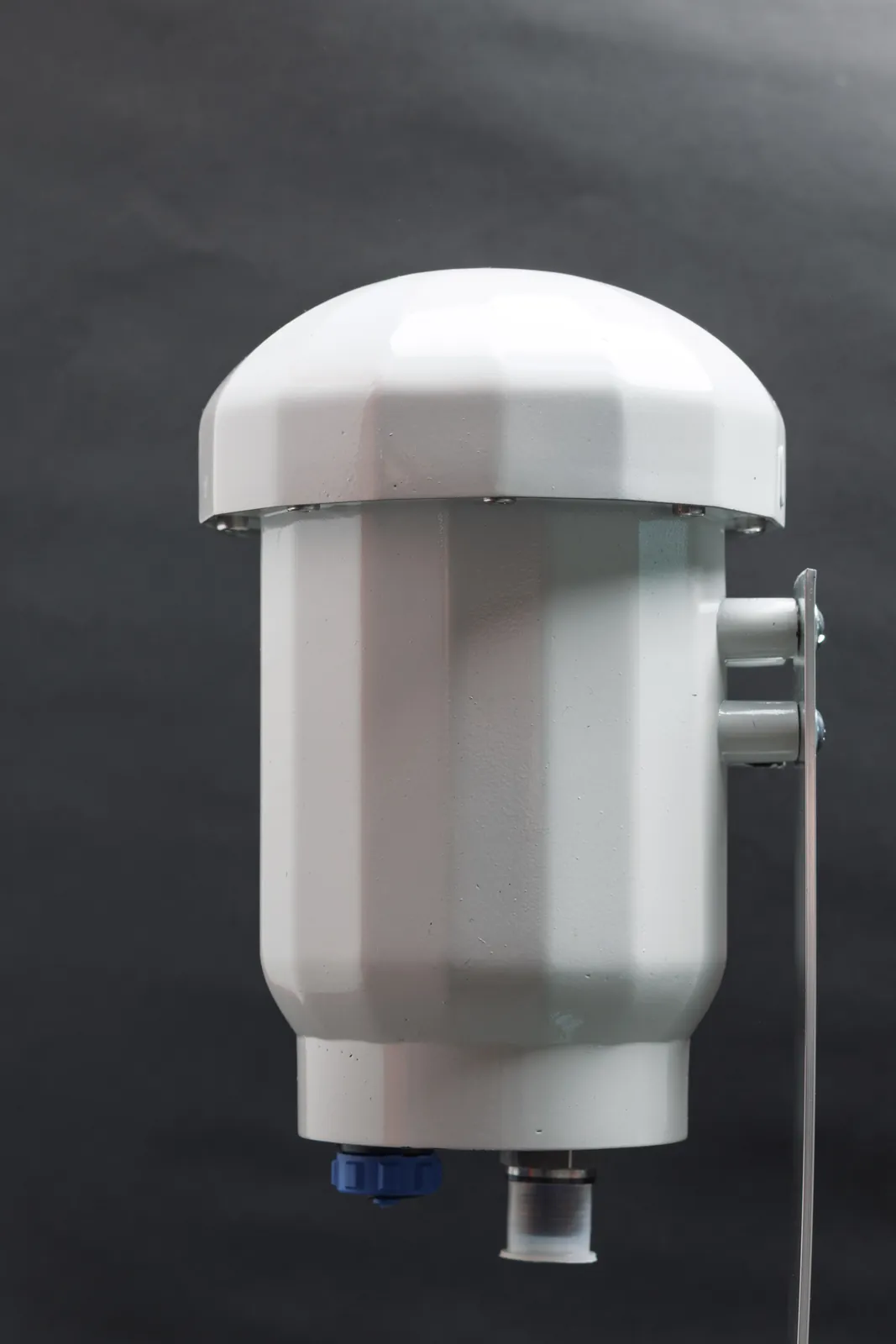
Fats, oils, grease and wet wipes build up into fatbergs that narrow the sewer until it blocks. The first sign is a slowly rising level upstream, long before sewage reaches the street or a watercourse.
The ThingsLog LPMDL-210X hangs under the manhole cover and measures that level with a built-in 60 GHz radar, with nothing in the flow. It runs for years on its battery and reports over LTE-M or NB-IoT.
For manholes classified as hazardous areas, the Ex variant is designed for ATEX Zone 0.

Crews are sent to a rising level, not to a flooded street.

Clean the sewers that are actually silting up, instead of working to a fixed calendar.

After installation the data comes to the office; nobody has to lift covers to check levels.

The Ex variant is designed for Zone 0, where methane and hydrogen sulphide can be present.

Time-stamped level records document every event and the response to it.

Start with known hot spots and add points as the network demands.

✔️ Follows the level trend where fat, oil and grease accumulate
✔️ Shows whether cleaning restored the full cross-section

✔️ Detects the rise upstream of roots, debris and collapsed pipes
✔️ Compares neighbouring manholes to locate the affected section

✔️ Records the start, duration and frequency of overflow events
✔️ Gives time-stamped evidence for spill reporting

✔️ Independent level reading as a backup to the station control
✔️ High-level alarm when pumps fail or the inflow exceeds capacity

• The logger is suspended in the manhole and the radar looks down at the flow • No power, no cabling and no parts in the sewage

• The level follows a daily pattern of dry-weather flow and rain events • Data arrives in the ThingsLog platform over LTE-M or NB-IoT

• A level that rises and stays high points to a restriction downstream • The platform raises an alarm and the logger reports more often

• The crew jets the section before it surcharges • The level returning to its profile confirms the result
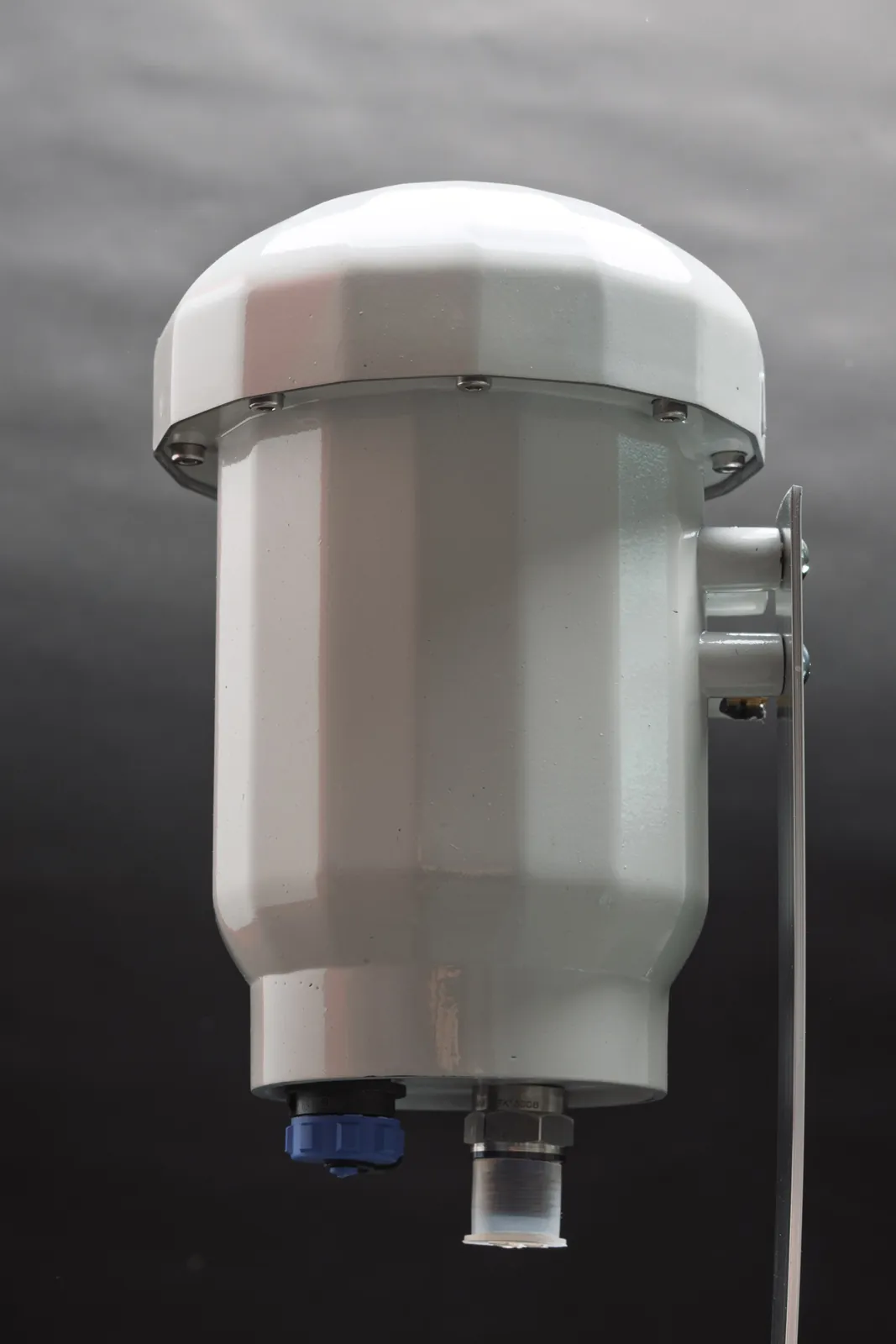
One IP68 unit with radar level, pressure, temperature and humidity inside, LTE-M / NB-IoT or 4G, and an Ex variant designed for ATEX Zone 0.
